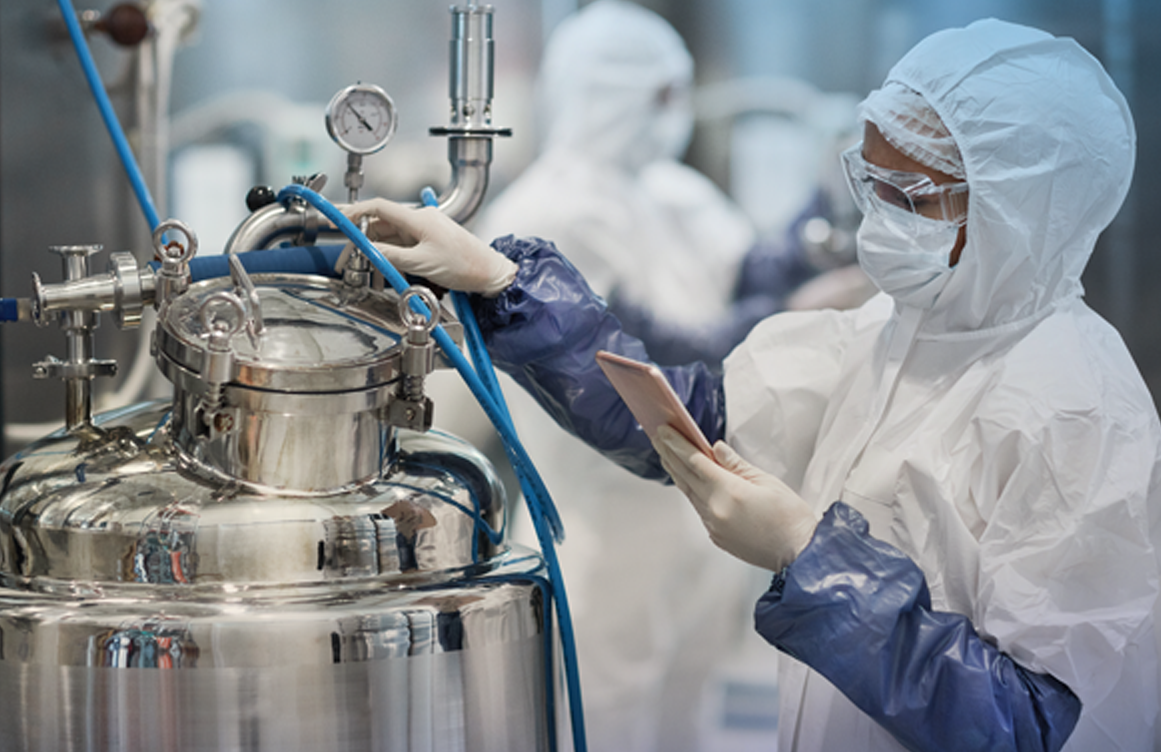
Chemical & Pharmaceutical Processes
Chemical and pharmaceutical facilities use a variety of hazardous gases and solvents in their production processes. Whenever these substances are transported, processed or stored, the potential risks are high for hazardous conditions. These substances must be continuously monitored to protect personnel and facilities from accidental releases or leakage. Our various lines of hazardous gas monitoring systems benefit the chemical and pharmaceutical industry in the following applications:
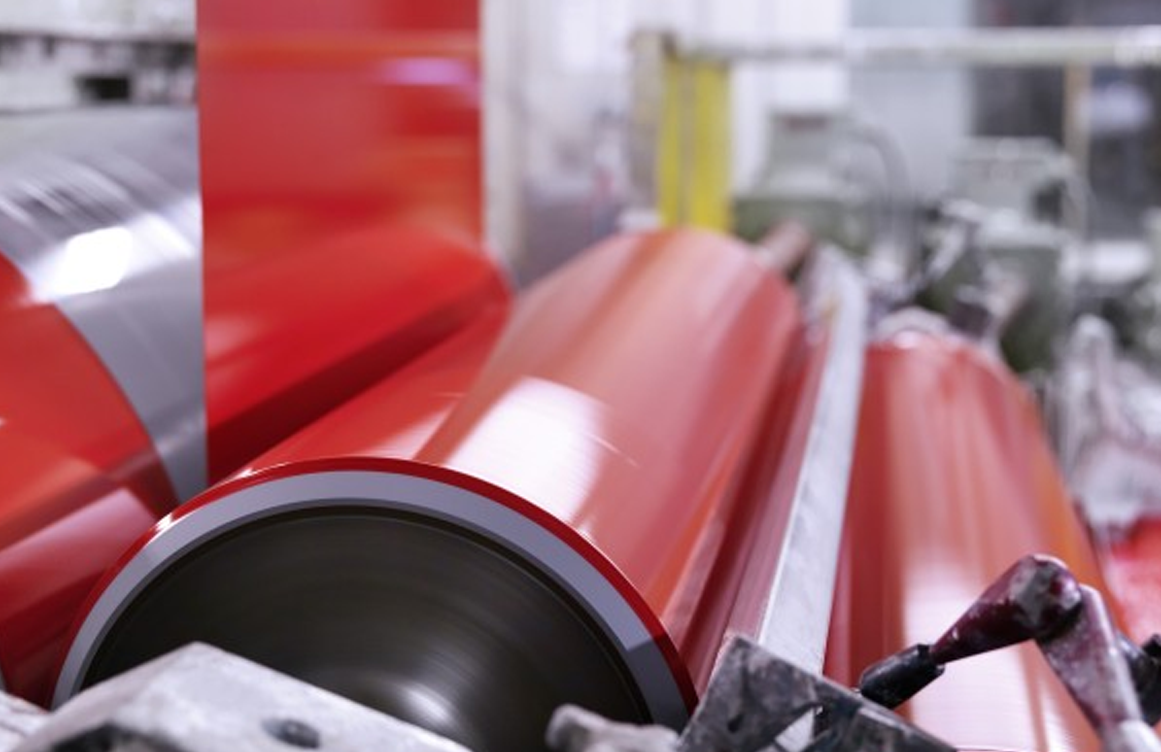
Coil Coating
Coil Coating is a high-temperature solvent vapor monitoring application in which rolls of aluminum or steel are coated with a color finish, oven cured to desired specs and sold to makers of cans, rain gutters, home appliances, building & automotive products and other fabrications. Coil coating requires the use of our PrevEx Flammability Analyzers to monitor the flammability of the solvent vapor driven off during the drying process. PrevEx analyzers accurately measure solvent mixtures and can withstand the temperatures required to prevent sample clogging in coil coating plants.
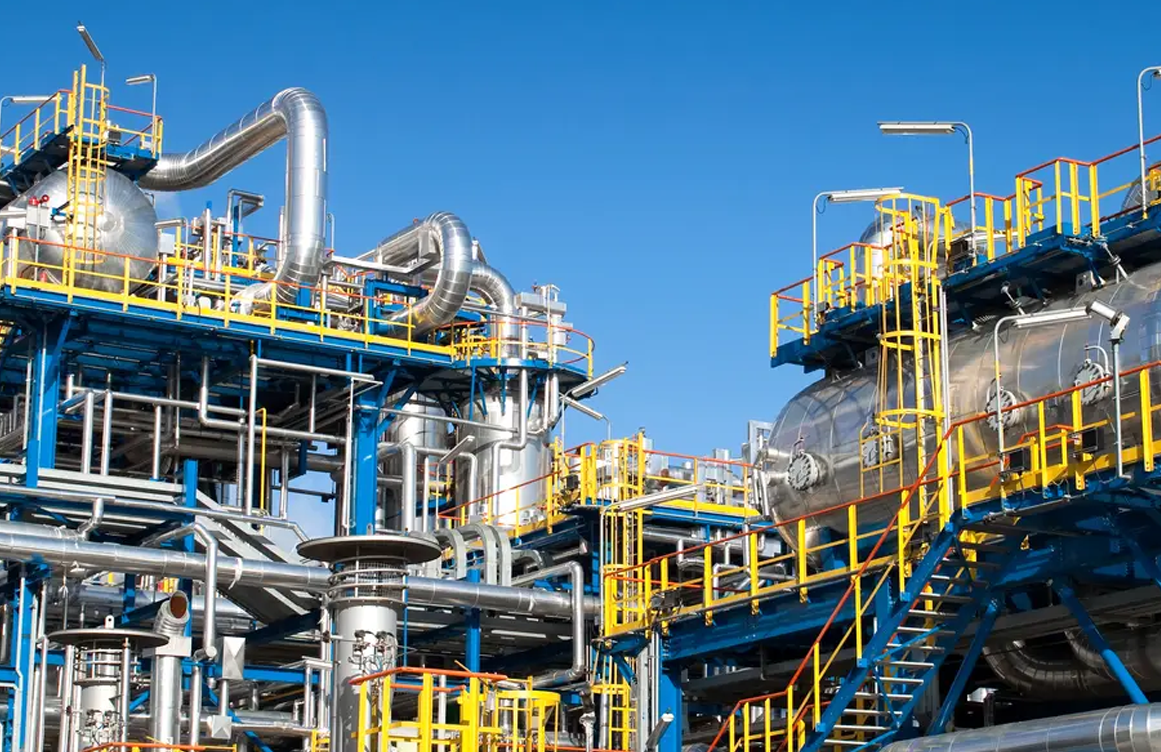
Oil & Gas Industry
The Oil & Gas industry is composed of three major components: upstream, midstream and downstream. The upstream industry finds and produces crude oil and natural gas. The midstream industry processes, stores, markets and transports commodities such as crude oil, natural gas and natural gas liquids. The downstream industry includes the oil refineries, petrochemical plants, petroleum product distributors and natural gas distribution companies. All of these operations contain many processes that require monitoring of hazardous gases and vapors to protect personnel, product and facilities from accidental releases or leakage.

Pollution Control
Government and environmental groups are forcing industries with medium to high VOC exhausts to reduce emissions by as much as 98%. Incineration using pollution control devices such as oxidizers and flare stacks is one way to bring the exhaust emissions in line with the regulations. Capturing and reusing solvent in a solvent recovery system is another way.

Process Ovens & Dryers
Many industries are involved in coating products with solvent-borne materials and then employing ovens or dryers to remove the solvents from the finished product.
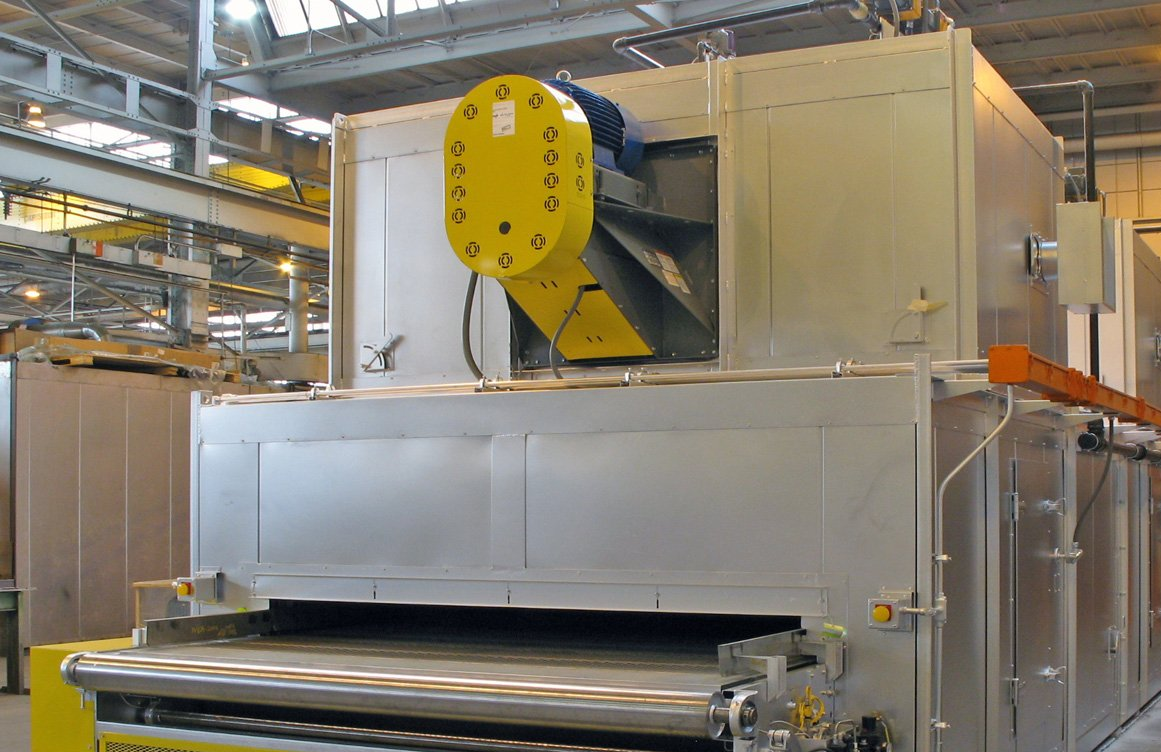
Pulp Mills
Flammable non-condensible gases (NCG’s) are byproducts of the wood pulping process. Health and pollution regulations prohibit the release of these gases into the atmosphere. They are usually eliminated by passing them through an incinerator or by using them as fuel in the burner of a boiler or kiln.
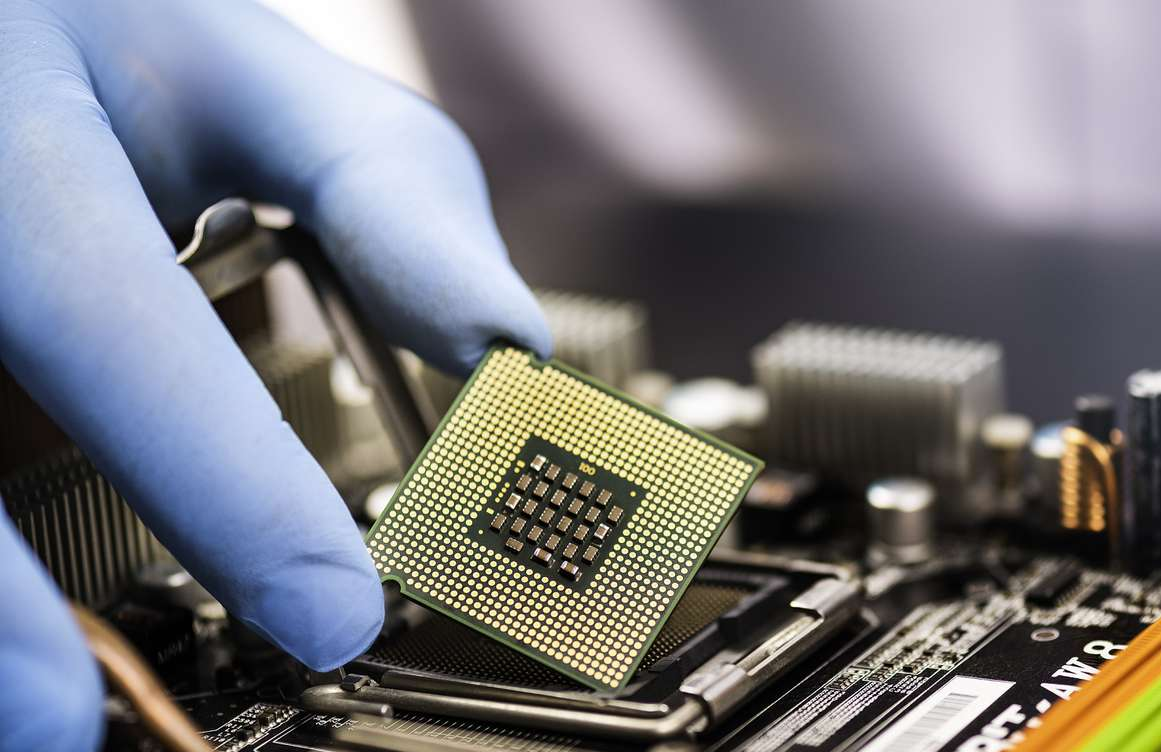
Semiconductor
Semiconductor manufacturing facilities employ a number of hazardous gases in their production processes. Whenever these gases are stored, distributed or used in manufacturing processes

Solvent Based Printing
Solvent based inks in different colors and patterns are applied to paper, plastic, film and foil substrates. Finished products include all sorts of wrapping paper, wall covering, candy wrappers, flexible food packages, shrink labels, high quality magazines and many, many more. These industries employ ovens or dryers to remove the solvents from the finished product.

Storage
Flammable & combustible liquids are found in virtually every industrial plant. The quantities of these can vary from a few ounces in aerosol cans to several thousand gallons in bulk storage tanks. The principal hazard associated with storage is the accidental discharge or release of the flammable or combustible material into the surrounding area.
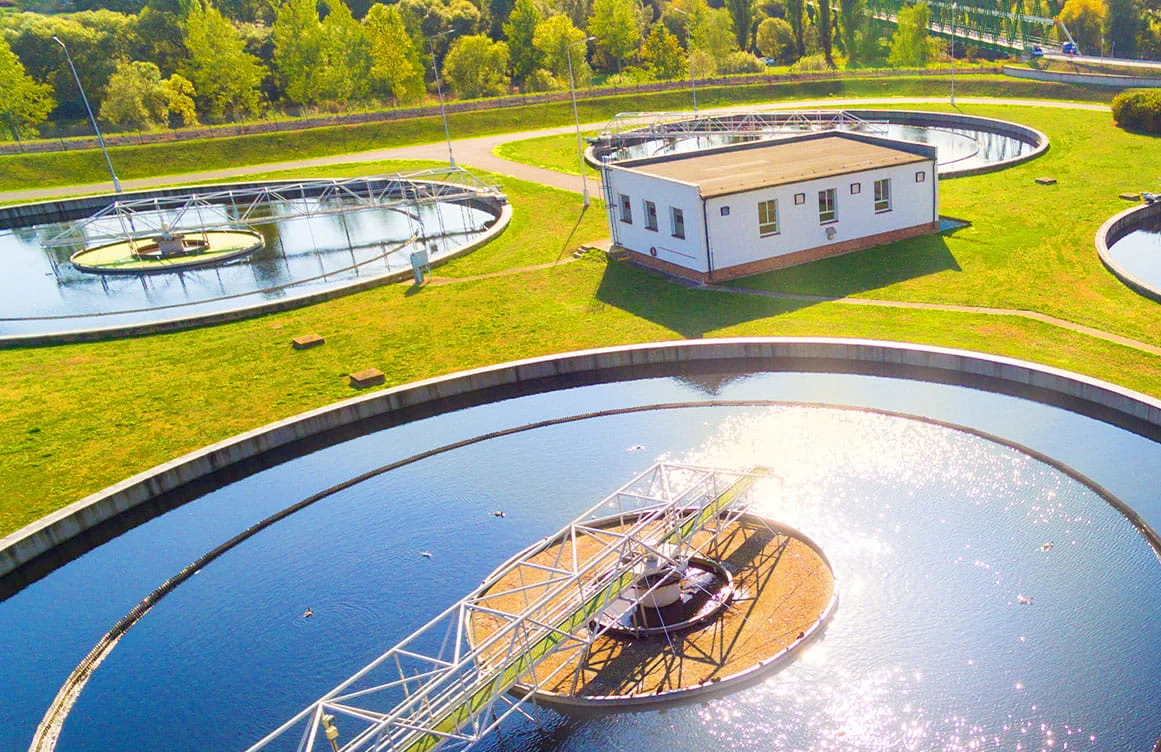
Wastewater Treatment
Regulations prohibit facilities from discharging flammable or explosive wastes from their processes into the wastewater collection system. These wastes are not only a fire and explosion hazard but they can also effect the efficient and effective operation of the treatment facility.